How Long Does an HVAC Replacement Timeline Usually Take?
Replacing an HVAC system is one of those projects HVAC Contractor that feels simple from a distance and more complicated once you start lining up the moving parts. Homeowners usually ask the same question first: how long will it take? The honest answer is that an HVAC replacement timeline can range from a single day to several days, and sometimes longer if the job involves ductwork changes, electrical upgrades, permit delays, or equipment that has to be ordered.
For a straightforward swap of similar equipment in a house with accessible attic, crawlspace, or basement access, one full day is common. In more involved homes, especially older properties with custom duct runs or tight mechanical spaces, the work can stretch into two or three days. The actual installation time is only part of the story, though. The larger timeline includes the sales visit, load calculations, equipment selection, scheduling, permits, delivery, installation, inspection, and the new HVAC system startup. If any one of those pieces slows down, the total project window expands.
The best way to think about the project is not as one event, but as a chain of steps. Some are quick, some are not, and a few depend on choices you make before the crew ever arrives. If you prepare for AC installation properly, the job usually moves with far less friction.
What affects the HVAC replacement timeline
No two homes present exactly the same conditions, which is why anyone who promises a universal timeline is oversimplifying. The size of the system matters, but so does the layout of the house, the condition of the existing equipment, and whether the installation is a like-for-like replacement or a more substantial upgrade.
A basic central AC or heat pump replacement can often be completed in a day if the existing ductwork is serviceable and the electrical connections are already adequate. Furnace replacements are often similar, though the details differ by fuel type and venting requirements. If both indoor and outdoor equipment are being replaced together, the crew still may finish in a day, but only when the job is clean and predictable.
The timeline grows when the contractor discovers issues that were invisible during the estimate. Corroded drain pans, undersized return ducts, damaged refrigerant lines, mold in the air handler cabinet, or a failing disconnect box can all add hours. If the new system requires a different refrigerant line size or new controls, the old equipment may need more modification than expected. Even something as mundane as a difficult attic entry can slow the crew down enough to spill the work into a second day.
Weather also plays a quiet role. During peak summer or a cold snap, companies often work through packed schedules, and replacement dates can be farther out than customers expect. That does not necessarily lengthen the on-site installation, but it absolutely affects how soon the project can begin.
A realistic breakdown of the process
The full HVAC replacement timeline usually starts before installation day, often with a home visit or system assessment. A proper estimate is not just a quick glance at the old unit. Good contractors measure the space, check duct conditions, inspect electrical capacity, and look at insulation and airflow concerns. If the system is sized incorrectly, replacing it with another unit of the same size may repeat old comfort problems instead of solving them.
After the assessment, there is usually a selection and ordering period. If the contractor stocks the equipment, scheduling can happen quickly. If the chosen model needs to be ordered, that may add several days or longer, depending on supplier inventory. During busy seasons, even common systems can face delays.
Permits are another piece that homeowners often overlook. Many jurisdictions require permits for HVAC replacement, and some require a final inspection before the project is considered complete. In areas with efficient permitting offices, this step may barely affect the schedule. In places where approvals take longer, it can add a meaningful delay.
On installation day, the crew typically begins by shutting down and removing the old system. This includes recovering refrigerant properly, disconnecting electrical components, detaching refrigerant lines if necessary, and removing the indoor and outdoor units. Once the old equipment is out, the team installs the new units, connects the lines, sets the condensate drainage, makes electrical and control connections, and verifies airflow and thermostat operation. The final stage is testing and commissioning, which is where the system is checked for performance, safety, and proper refrigerant charge.
A standard replacement can often fit into an eight- to ten-hour window, but that range depends heavily on whether the old installation was clean and whether the new unit fits the existing footprint without major changes.
How long each stage usually takes
A homeowner does not need a minute-by-minute field report, but it helps to understand where time Visit this site is spent.
The pre-installation planning stage can take a few days to a couple of weeks, mostly depending on how quickly the estimate is approved, whether equipment is in stock, and whether permits are required. If a unit is on the shelf and the schedule is open, this stage may move quickly. If not, the waiting period can become the longest part of the entire HVAC replacement timeline.
Removal of the old equipment usually takes a few hours. In a straightforward swap, crews are efficient because they know exactly how the existing system is connected. If the previous installation was messy or outdated, removal takes longer. Systems buried in cramped spaces always cost time, even if the equipment itself is standard.
Installation of the new indoor and outdoor components is often the longest on-site piece. This includes setting the new condenser or heat pump, installing or reconnecting the air handler or furnace, sealing duct connections, and routing controls and refrigerant lines. In many homes, this stage is where the skill of the installer becomes obvious. A careful crew spends time aligning components, sealing leaks, and checking clearances instead of rushing to finish.
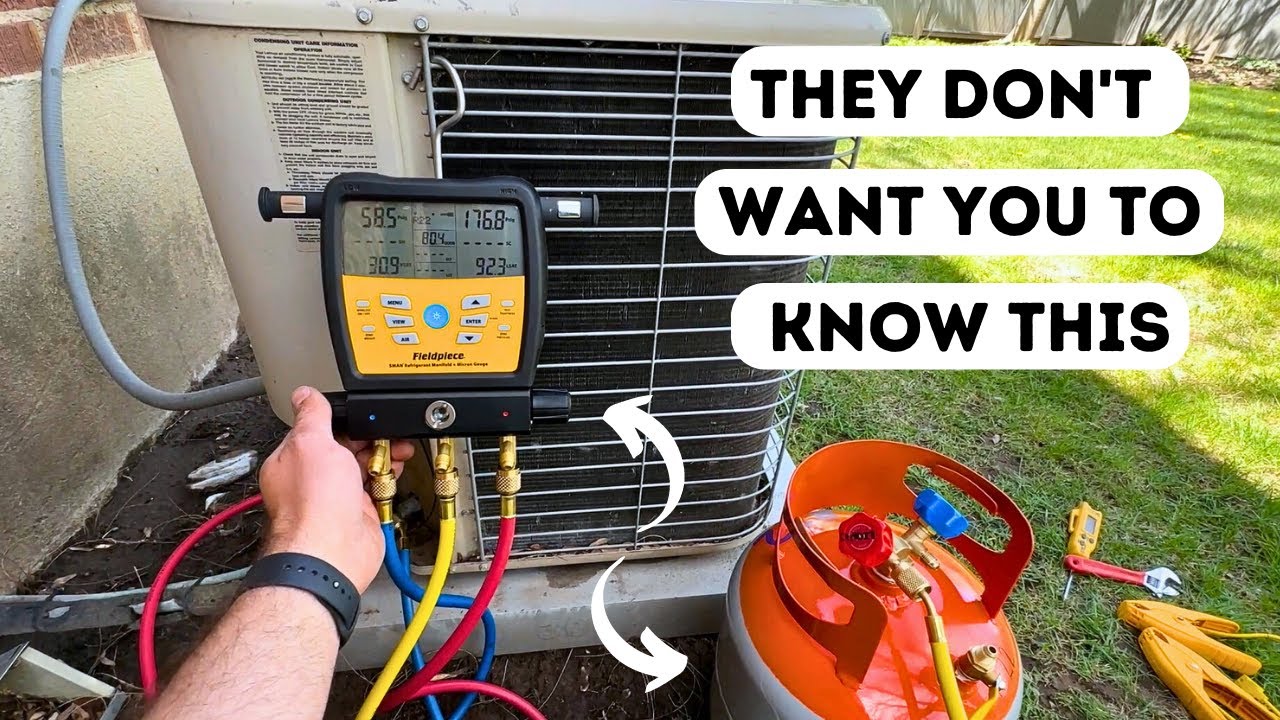
Testing and new HVAC system startup can take anywhere from thirty minutes to a few hours. That depends on the system complexity and whether adjustments are needed. A startup is not just turning the thermostat on and walking away. The contractor should verify temperature split, airflow, fan operation, electrical readings, refrigerant pressures, and condensate drainage. If the system needs fine-tuning, that work happens here, not later when the house is already warm or cold again.
Why some replacements finish in one day and others do not
A one-day installation is absolutely realistic, but only under the right conditions. The old equipment has to be accessible, the new equipment has to match the existing layout reasonably well, and there cannot be major surprises hidden inside the system. A house with modern ductwork, a clean mechanical closet, and properly sized electrical service gives the crew a fair shot at finishing on schedule.
By contrast, older homes often create friction that no estimate can fully eliminate. If the basement is cramped, the attic is hot and difficult to access, or the condenser pad needs to be replaced, the timeline stretches. If the old refrigerant lines are too small or contaminated, flushing or replacing them adds time. If the system uses outdated components that are no longer compatible with current equipment, the crew may need to modify several parts of the setup before startup is even possible.
The quality of the original installation also matters more than most people expect. A neat system tends to be easier to replace. A poorly installed system often leaves behind custom fixes, unnecessary joints, awkward wiring, or duct transitions that make the next install more labor-intensive. In the field, messy jobs tend to keep costing time long after the original installer is gone.
How to prepare for AC installation without creating extra delays
Homeowners often ask what they can do to help the project run smoothly. The answer is not to micromanage the crew. It is to remove avoidable obstacles before the truck pulls into the driveway.
Clear access to the work area matters more than people think. If the indoor unit is in a closet, attic, basement, or utility room, make sure the path is open. Move storage boxes, furniture, holiday decorations, and anything else that blocks the route. If the outdoor condenser sits near landscaping, trim back plants and remove objects around the pad. The crew needs room to carry equipment, tools, and sheet metal without fighting the space.
It also helps to think through pets, parking, and home access. Dogs and active installation crews do not mix well, and a blocked driveway can slow the day from the start. If the technician needs attic access, locate the hatch ahead of time. If the thermostat is hidden behind furnishings or artwork, uncover it. Small preparations prevent a surprising amount of lost time.
The last thing to handle before installation day is communication. Confirm the arrival window, ask whether the power or HVAC system needs to be off before the team arrives, and clarify whether someone should be home for the full visit. A few direct questions can prevent the most common delays.
The role of permits, inspections, and utility coordination
Permits and inspections rarely matter to homeowners until they do, and when they do, they can affect the schedule noticeably. Some municipalities are efficient enough that a contractor can pull a permit and start work without a meaningful wait. Others require paperwork review or post-installation inspection before the project is officially closed out. That does not always delay the comfort of the home, but it can delay final sign-off.
Utility coordination comes into play with certain heat pumps, electrical upgrades, or rebate programs. If the replacement involves a larger breaker, service panel work, or a rebate application tied to specific equipment, additional paperwork can extend the timeline. None of this is unusual, but it should be planned for rather than treated as an afterthought.
Homeowners sometimes worry that permits make the process bureaucratic and slow. In practice, a permit is often a sign that the project is being handled correctly. The extra step can be worth the peace of mind, especially on a high-value system expected to last for many years.
What happens during new HVAC system startup
The new HVAC system startup is one of the most important parts of the day, even though it often gets the least attention from homeowners. This is where the contractor verifies that the system is not only installed, but actually ready to operate safely and efficiently.
A proper startup usually includes checking electrical connections, confirming blower operation, verifying thermostat communication, inspecting refrigerant charge, checking temperature differential, and making sure condensate drains properly. On gas furnaces, startup may also include combustion and venting checks. If anything is slightly off, this is the moment to catch it. A small adjustment made during startup can prevent weeks of annoyance later.
Homeowners sometimes expect the system to feel perfect immediately, but comfort adjustments can take a little time. For example, airflow might need balancing, or thermostat settings may need minor calibration. A good installer does not rush this stage. A mediocre one may skip over it, which is why the startup portion deserves as much care as the physical replacement itself.
Signs the job may take longer than expected
Even with a solid plan, some projects naturally run long. A good contractor should communicate these issues early, but it helps to know what they are.
One common sign is incompatible or damaged ductwork. If the ducts are undersized or leaking badly, replacing the HVAC equipment without addressing the ducts can leave performance on the table. Another is electrical insufficiency. Older homes sometimes need service upgrades or dedicated circuits before the new system can be safely energized. Refrigerant line problems can also add hours, especially if the old lines are contaminated or the new system requires different specifications.
Another time-consuming issue is concealed damage. Water intrusion around the air handler, corrosion in the cabinet, or a cracked drain pan can change the scope of the job once the old unit is removed. A crew cannot always know this from the estimate alone. In that sense, HVAC replacement has a little in common with any home repair project, the visible problem may not be the whole problem.
What a homeowner should expect on installation day
A well-run installation day usually feels organized rather than chaotic. The crew arrives, protects the work area if needed, removes the old equipment, and starts fitting the new one into place. Tools and components move in and out, but the work should still look deliberate. There may be a few moments when the house feels quieter than expected because the team is waiting on a measurement, a test reading, or a sealant to set.
Most homeowners are surprised by how much of the day is not visible from the living room. The careful part of the job happens in closets, crawlspaces, attics, and outdoor pads. A polished installation often looks simple at the end because the hard work was done behind the scenes.
It is also normal for the crew to test the system several times. They may run heating mode, cooling mode, fan mode, and thermostat settings to confirm that everything behaves as designed. If they are worth hiring, they will not just declare the project done because the air is blowing. They will check the details first.
How to know whether the timeline given to you is realistic
A believable timeline usually has some flexibility built into it. If a contractor promises every replacement will take exactly one day, regardless of house condition, that is too neat to trust. A more realistic estimate gives a range and explains what could push the job to the longer side.
You want to hear specific language about the system type, site access, duct condition, electrical needs, and whether the equipment is stocked locally. You also want the contractor to explain what is included in the startup and commissioning process. If those details are left vague, the timeline is probably vague too.
Experience matters here. An installer who has spent years in the field can often predict where time will disappear. They know when an attic job will be slower than expected, when an old condensate setup will need reconstruction, and when a seemingly simple replacement could require a second day. That kind of judgment is earned on real job sites, not in a brochure.
The bottom line on timing
For many homes, an HVAC replacement is a one-day project once the equipment is on site and the house is ready. For others, the same project can take two days or more because the system, the house, or the local permitting process introduces extra steps. The HVAC replacement timeline is less about a fixed number and more about how well the job has been scoped, how accessible the equipment is, and whether the installation is a clean swap or a full mechanical puzzle.
If you are getting ready for AC installation, the best thing you can do is ask for a clear plan, not just a price. Find out how long the contractor expects the removal, installation, and new HVAC system startup to take. Ask whether permits are needed, whether the equipment is in stock, and what would trigger a schedule change. That conversation will usually tell you far more than a generic estimate ever could.
A thoughtful installation team can move a project along quickly without cutting corners. That is the real goal. Speed matters, but so does getting the system commissioned properly so the home stays comfortable, efficient, and reliable for years instead of just surviving the first hot afternoon.
Phone:
(863) 247-0271
Website:
icecoolinghvac.com
Indoor Climate Experts
296 Lake Smart Circle,
Winter Haven,
FL
33881